
Ocular Disease Management in Ancaster
Ongoing care for glaucoma, macular degeneration and more
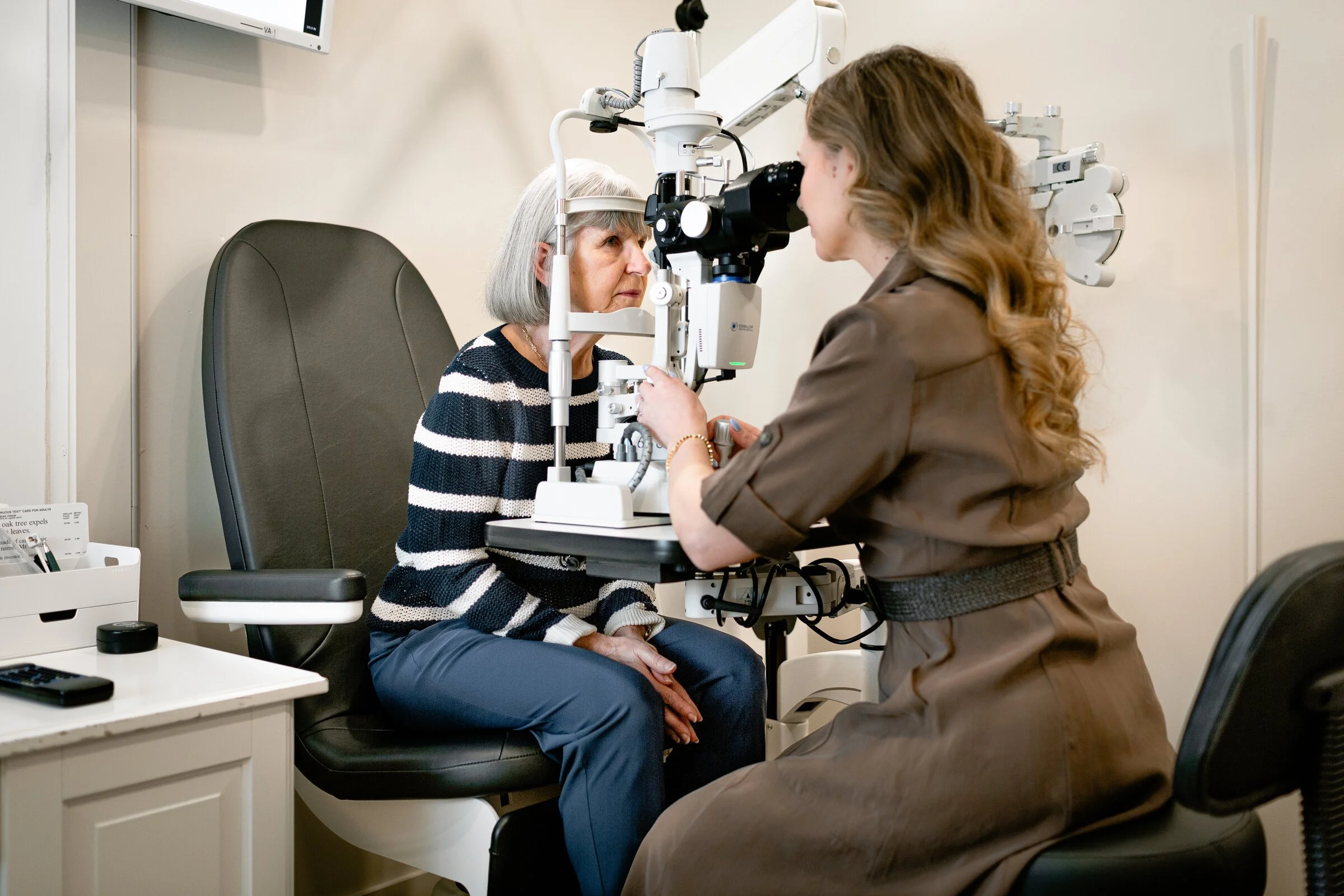
Many eye conditions develop slowly and without pain. Dr. Kristyn Pozzer uses OCT imaging and visual field testing to find changes early and follow them closely over time.
Conditions we diagnose and manage
Some of these are watched over years and others need treatment the same week. These are the ones we see most often.
Glaucoma
Damage to the optic nerve, often linked to pressure inside the eye. It usually has no symptoms until side vision is lost.
Macular degeneration
Changes to the centre of the retina that blur the detail you need for reading and recognizing faces. It's most common after 50.
Cataracts
Clouding of the eye's natural lens that slowly dulls and blurs vision. Learn about cataract surgery consults.
Diabetic retinopathy
Damage to the small blood vessels of the retina caused by diabetes. Learn about diabetic eye exams.
Retinal tears and detachment
New flashes of light, a shower of floaters or a shadow in your vision need to be checked the same day. See emergency eye care.
Dry eye disease
Gritty, burning or watery eyes caused by poor tear quality. Learn about dry eye assessments.
Uveitis and inflammation
Inflammation inside the eye that brings redness, pain and light sensitivity, and needs prompt treatment.
Keratoconus and corneal disease
Thinning or scarring of the cornea that distorts vision, often managed with specialty contact lenses.
How we manage eye disease
Early detection
Your exam includes OCT imaging and retinal photos, which can show changes before you notice anything.
Closer testing
If something needs a closer look, we add tests such as visual fields, eye pressure checks or repeat scans.
Treatment
Dr. Pozzer can prescribe eye drops and other medication for many conditions, including glaucoma, infections and inflammation.
Monitoring and referral
We see you as often as your condition needs. If you need surgery or injections, we refer you to an ophthalmologist and stay involved in your care.
Why early detection matters
Glaucoma and macular degeneration can take away vision that can't be brought back. Both usually start without symptoms, so by the time you notice a change, some damage has often been done.
Scans from each visit give Dr. Pozzer a record to compare against, so small changes show up early, while there's still time to act.
Not sure whether you're due for a check? Get in touch.
The technology behind your care
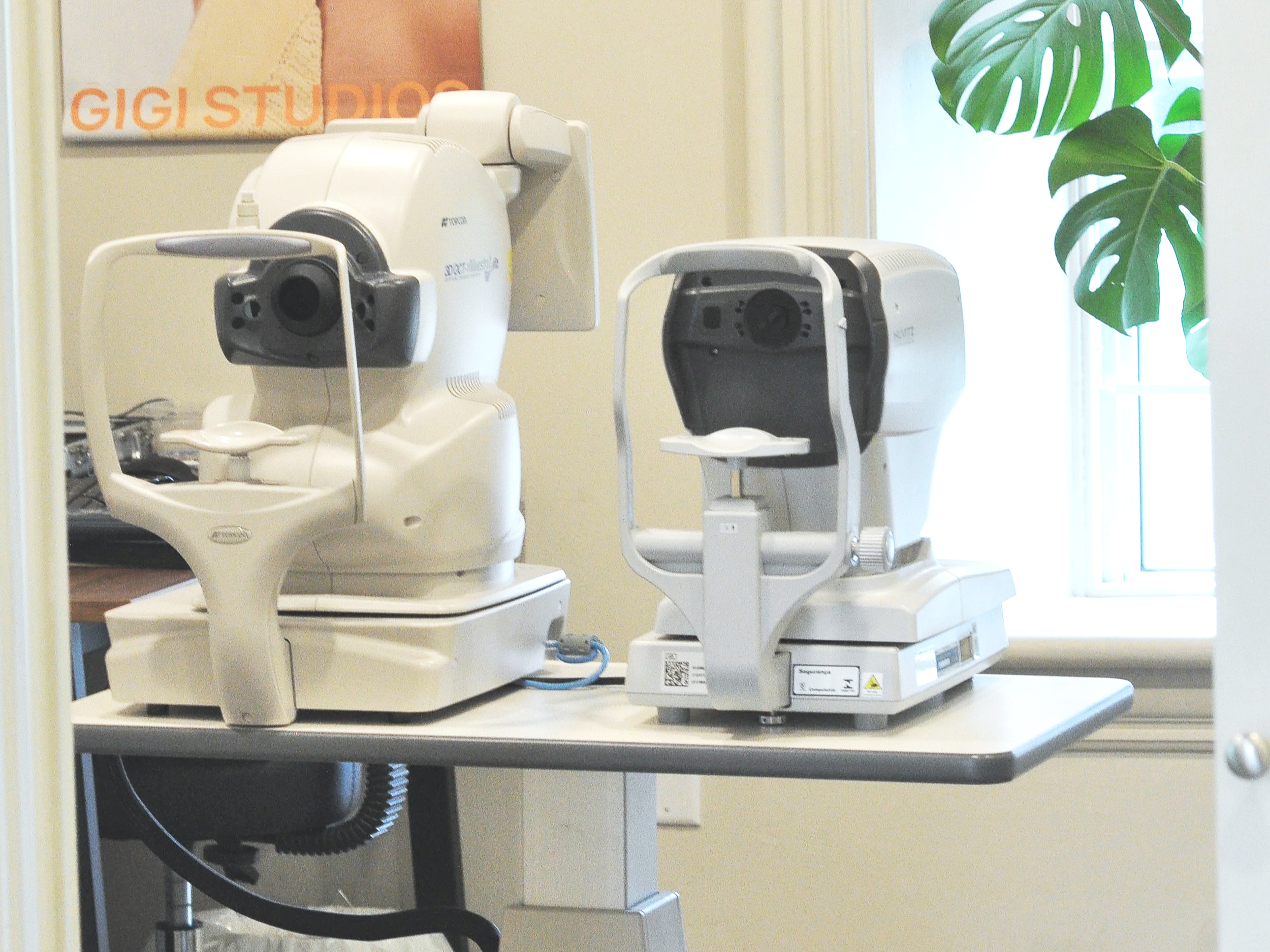
OCT imaging
Cross-sectional scans of the retina and optic nerve that show layers a standard exam can't see.
Retinal photography
Detailed photos of the back of the eye that we compare from one visit to the next.
Visual field testing
A virtual reality headset maps your side vision to check for glaucoma and other changes.
Eye pressure testing
Measures the pressure inside your eye, one of the main risk factors for glaucoma.
See what’s included in a full exam on our Eye Exams page.
Eye Disease FAQ
-
If you're 20 to 64 and have an eligible condition such as glaucoma, cataracts, retinal disease or diabetes, OHIP covers an eye exam every 12 months and up to two follow-up visits. Exams for people under 20 and 65 and older are also covered. OHIP does not cover advanced imaging.
-
Yes. In Ontario, optometrists can diagnose glaucoma and prescribe drops for the most common type. If your glaucoma needs surgery or a specialist, Dr. Pozzer will refer you to an ophthalmologist and share your care with them.
-
No. You can book online or call us at 289-346-9773.
-
It depends on the condition and how stable it is. Some people are seen once a year and others every few months. Dr. Pozzer will set a schedule with you.
-
Yes. A family history raises your risk, so it's worth having a full exam with imaging even if your vision feels fine.
-
With your permission, we can send a summary of your exam to your family doctor or diabetes care team so everyone looking after you has the same picture.
-
We’re at 241 Wilson Street East in the village of Ancaster, about 15 minutes from Dundas and west Hamilton. There’s free parking beside and behind the boutique.