
Myopia Management in Ancaster
Helping slow nearsightedness in growing children
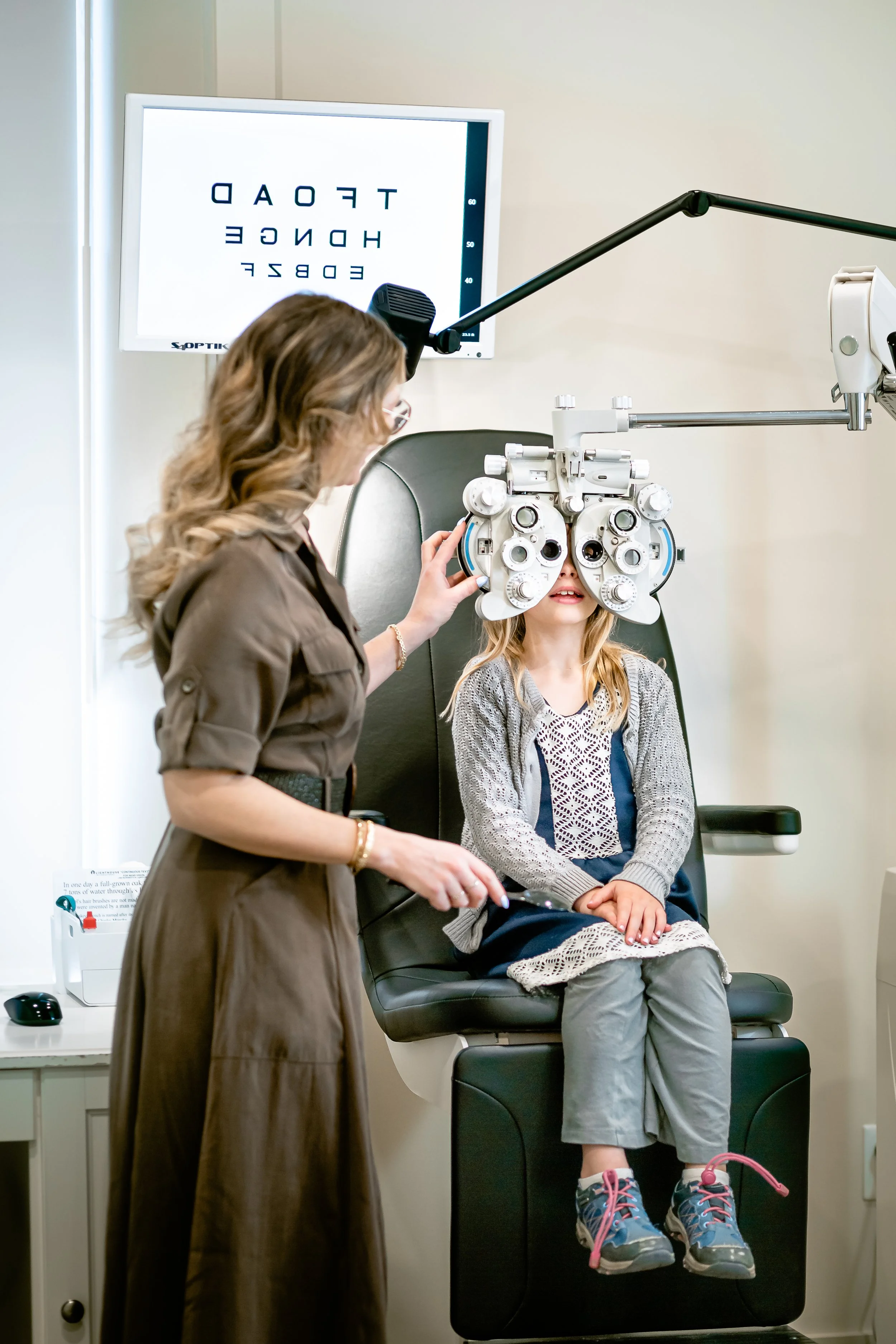
If your child's glasses prescription gets stronger every year, Dr. Kristyn Pozzer can do more than update their glasses. Myopia management uses specially designed lenses, contact lenses or eye drops to slow how quickly a child's nearsightedness progresses while they're still growing.
Why slowing myopia matters
Myopia, or nearsightedness, happens when the eye grows too long, so distant things look blurry. In children it usually keeps progressing until the late teens.
The higher a person's myopia becomes, the greater their lifetime risk of eye conditions such as retinal detachment, glaucoma and myopic macular degeneration. Slowing it down during childhood can mean a lower prescription and healthier eyes as an adult.
Is myopia management right for your child?
It's worth asking Dr. Pozzer about it if your child:
Has a prescription that's getting stronger every year
Became nearsighted at a young age
Has one or both parents who are nearsighted
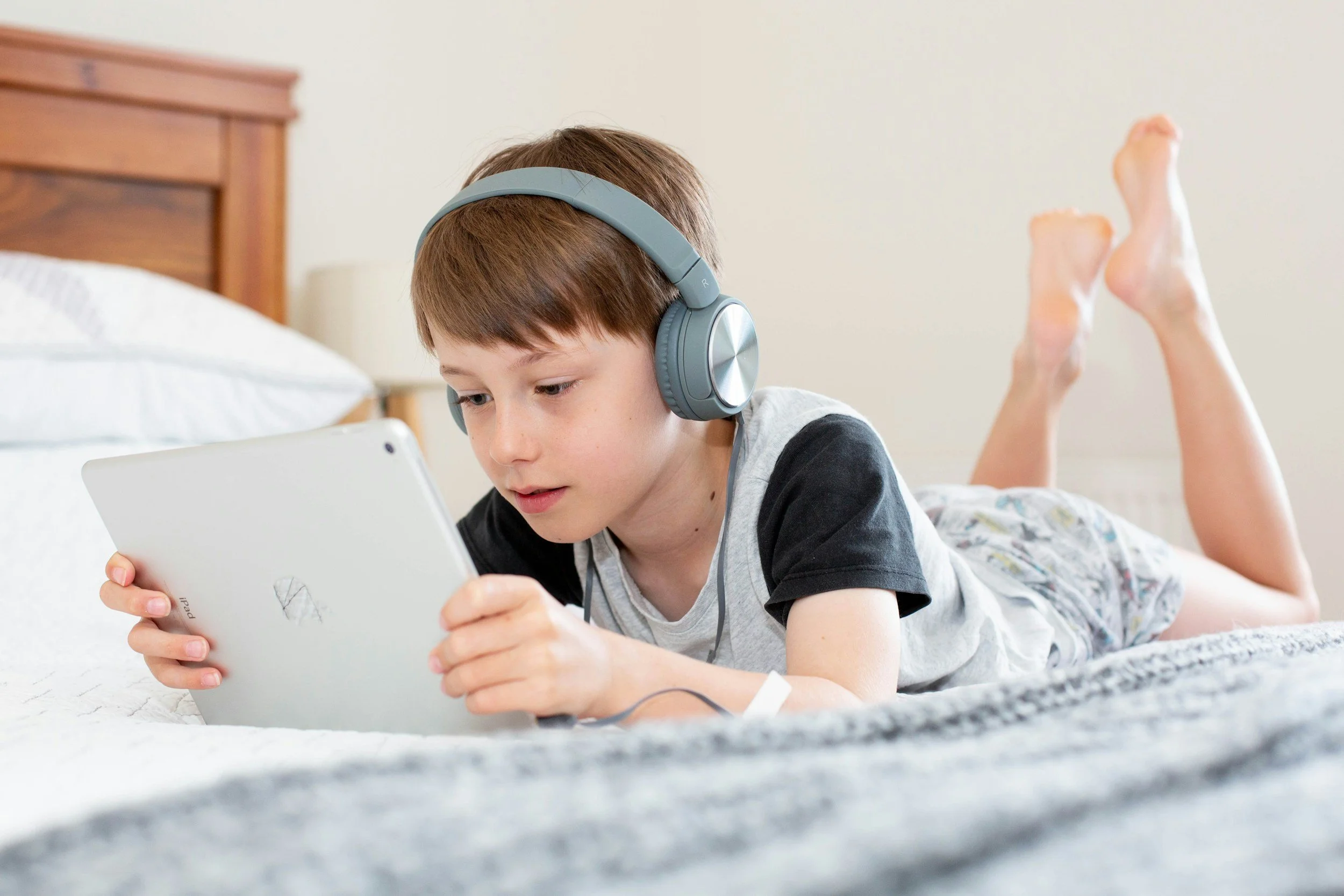
Spends a lot of time reading, gaming or on screens and not much time outdoors
Essilor Stellest 2.0 lenses
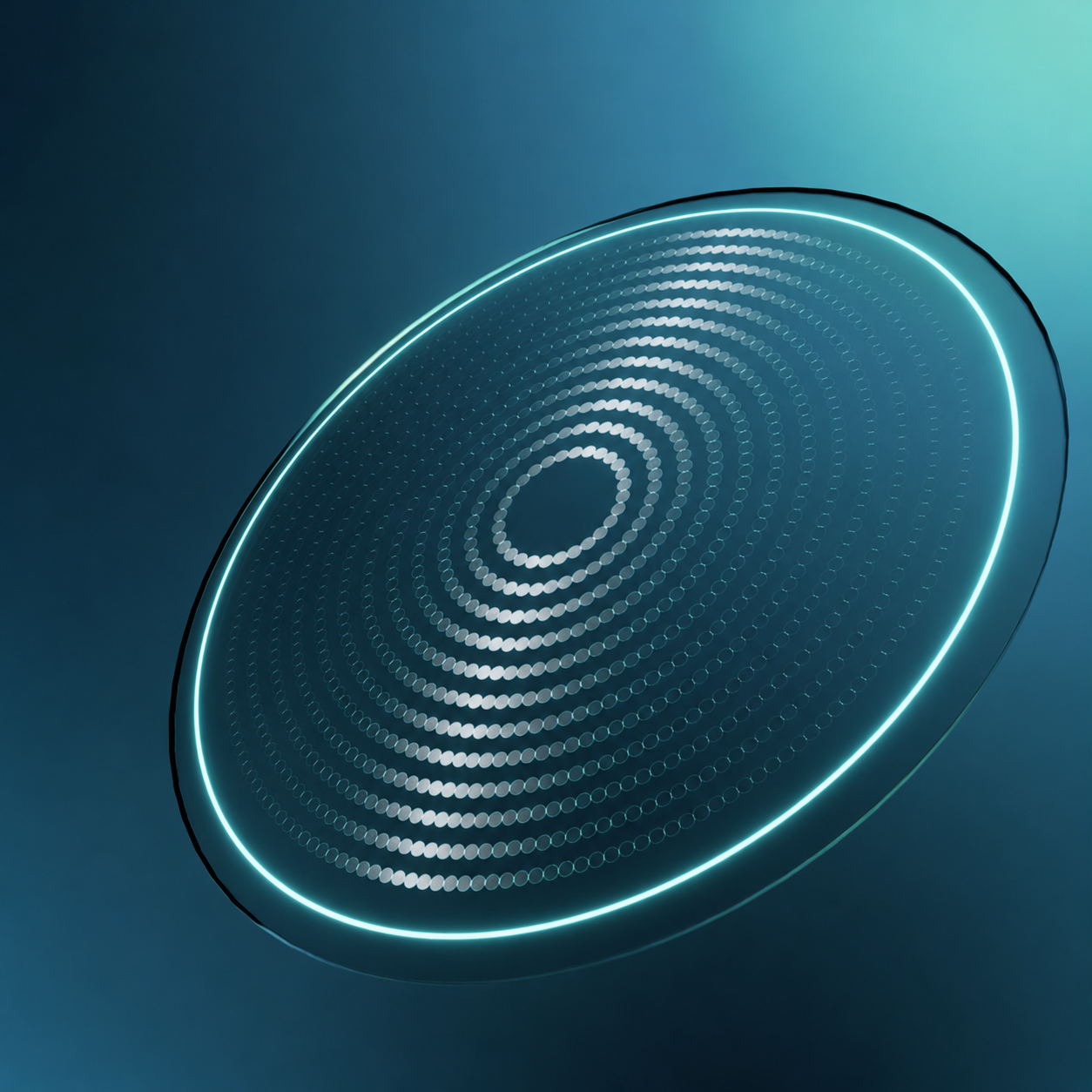
Essilor Stellest 2.0 is our main tool for myopia control. The lens has a clear central zone that corrects your child's vision, surrounded by rings of tiny “lenslets” designed to send a signal that slows the eye's growth. From the outside they look like ordinary glasses, and your child sees clearly through them all day.
They work best when they're worn consistently, at least 12 hours a day, every day. Our opticians will help your child choose a frame they like, which makes a real difference to how much they wear them.
Our myopia management options
Dr. Pozzer will talk you through which option suits your child's age, prescription and lifestyle. Sometimes a combination works best.
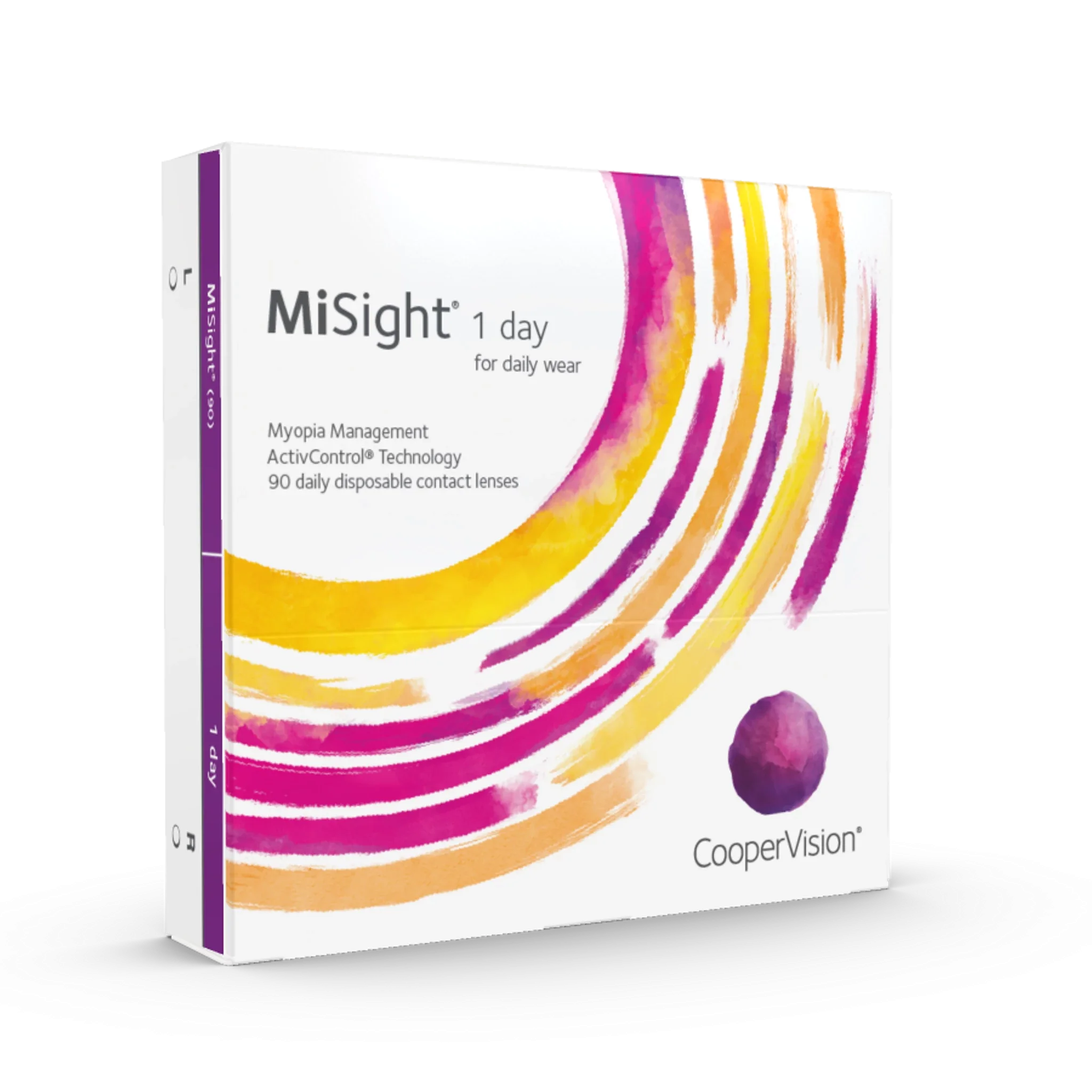
Myopia control contact lenses
Soft daily lenses, a good fit for active kids and teens.
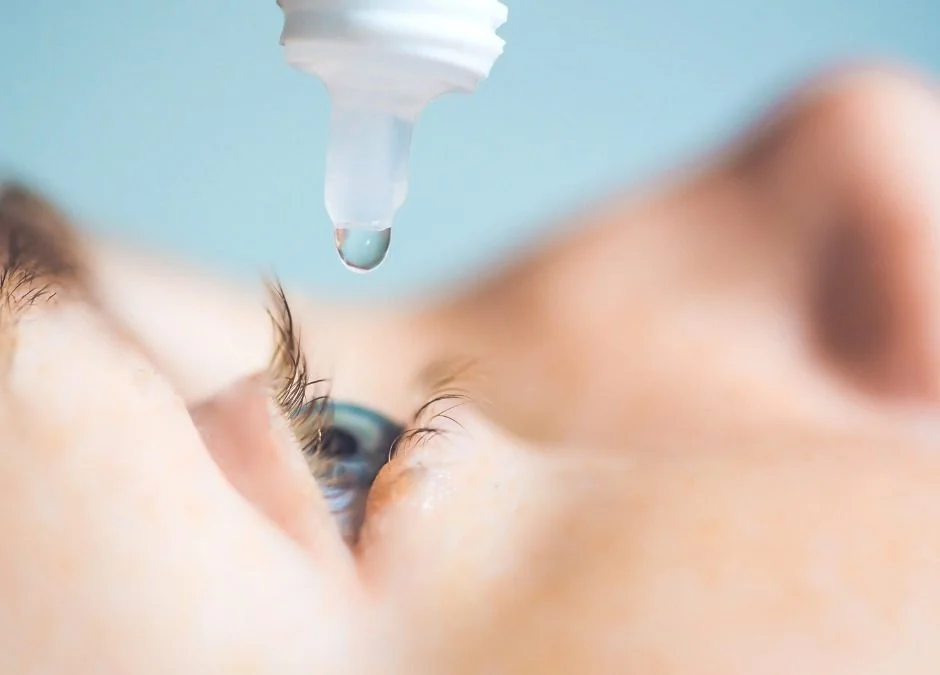
Low-dose atropine drops
One drop a day, on its own or alongside glasses or contacts
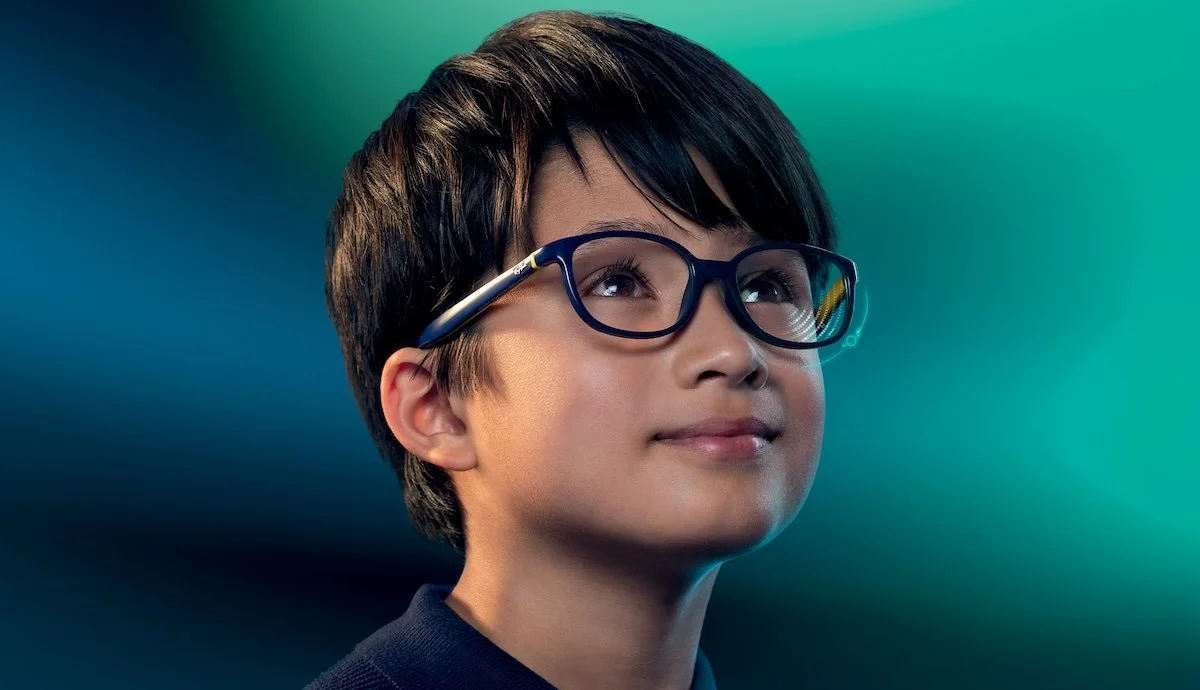
Stellest 2.0 lenses
Everyday glasses designed to slow progression while giving clear vision.
How it works at Hanley's
1. Eye exam and consultation - Dr. Pozzer checks your child's prescription and eye health and talks with you about their risk and the options.
2. Starting treatment - Your child starts atropine drops, or is fitted with Stellest 2.0 glasses or myopia control contact lenses
3. Regular check-ins - We then typically see your child every six months to gauge how their prescription is changing and adjust the plan if needed.
Myopia Management FAQ
-
OHIP covers your child’s yearly eye exam until they turn 20. Myopia control lenses, contact lenses and atropine drops aren’t covered by OHIP, but many extended health plans reimburse Stellest lenses the same way they do regular glasses. We’ll give you an itemized receipt to submit.
-
No. Myopia management slows progression but doesn’t reverse it. The goal is a lower prescription by the time your child’s eyes stop growing.
-
Usually from about age six. Starting earlier generally gives more time to slow progression.
-
Typically until their prescription stabilizes, which is often in the late teens.
-
For the best effect, at least 12 hours a day, every day. Most kids simply wear them as their everyday glasses.
-
Yes. Time outdoors in daylight is one of the simplest things that helps protect children’s eyes, so aim for some every day. During long stretches of reading or screen time, encourage regular breaks to look at something far away, and keep books and tablets at a comfortable distance.